

The Art of War is one of the most influential treatises on military strategy ever written. Attributed to the ancient Chinese general and strategist Sun Tzu, this classic text has been studied for centuries, not only by military leaders but also by business executives, politicians, and strategists across various fields. Written during the late Spring and Autumn period (515–512 BCE), The Art of War offers profound insights into the nature of conflict, leadership, and strategic thinking. The text is structured into thirteen chapters, each focusing on a different aspect of warfare, from planning and tactics to espionage and adaptability.

Chapter 01
Laying PlansThe foundation for strategic planning in warfare, emphasizing the need for careful assessment before engaging in battle.
Chapter 02
Waging WarShorten the duration of war as much as possible and strive for a swift victory and secure provisions locally in enemy-occupied territory whenever possible.

Chapter 04
Tactical DispositionsThe highest form of victory is not achieved through heavy casualties and battlefield achievements but by creating an overwhelming power disparity, making victory effortless.

Chapter 05
EnergyAn excellent general must be highly flexible and proactive in battle, using various strategies to create and maximize advantages.
Chapter 06
Weak Points and StrongUsing various methods to manipulate the enemy, forcing them to disperse their strength or reveal weaknesses, then concentrating superior forces to attack where they are weakest.
Chapter 07
ManeuveringSeeking advantage while avoiding harm and adapting flexibly to battlefield conditions.
Chapter 08
Variation of TacticsThe principles of warfare under different geographical conditions, the strategic importance of flexibility and mobility, the necessity of proactive preparation, and the essential qualities required of a commander.
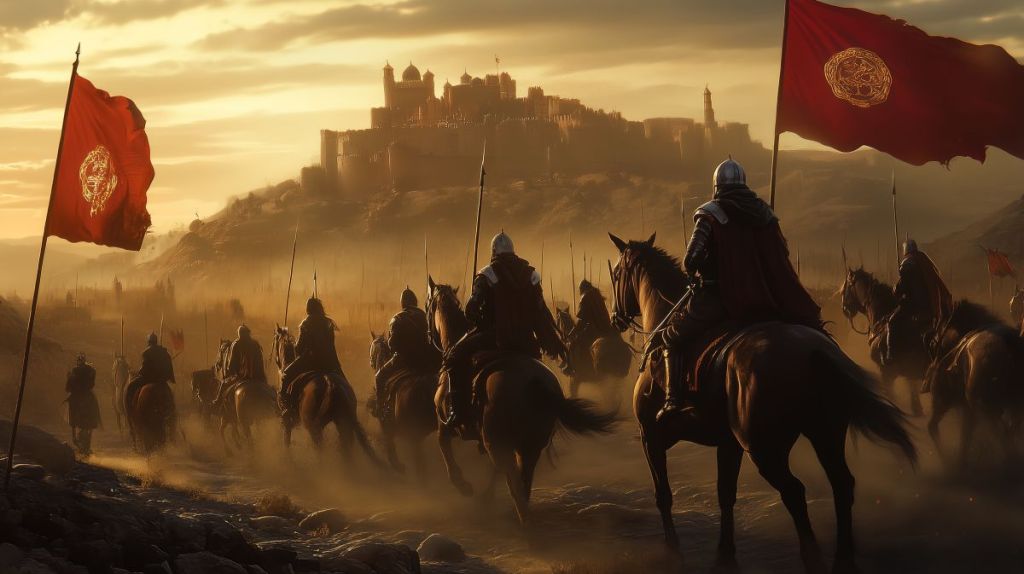
Chapter 09
The Army on the MarchThe essentials of warfare in mountainous terrain, rivers, marshes, and plains, as well as methods for observing and assessing enemy situations.

Chapter 10
TerrainThe characteristics of various terrains and the principles of military operations under different terrain conditions.
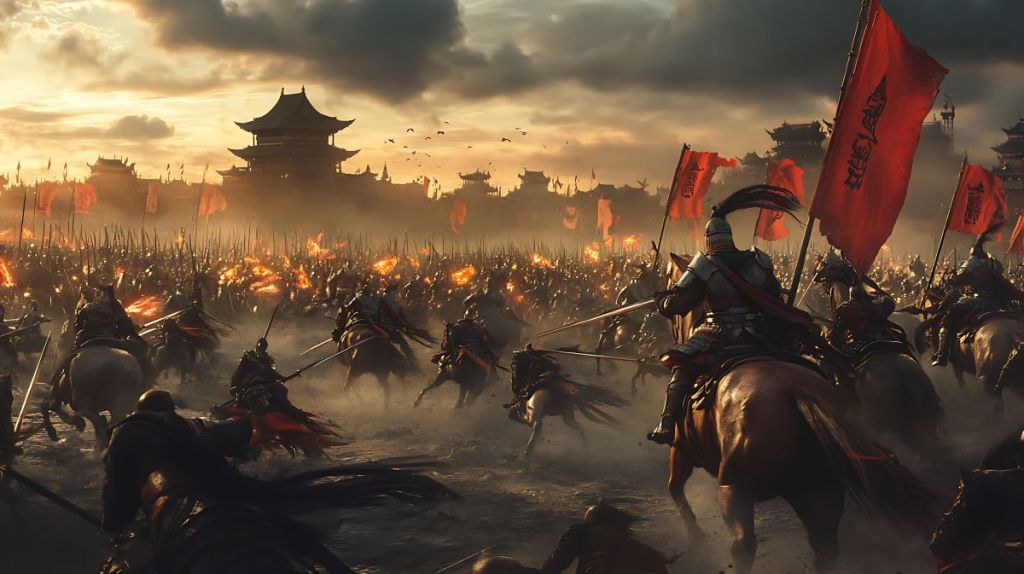
Chapter 11
The Nine SituationsNine types of geographical environments in offensive operations and the principles of warfare in these environments.
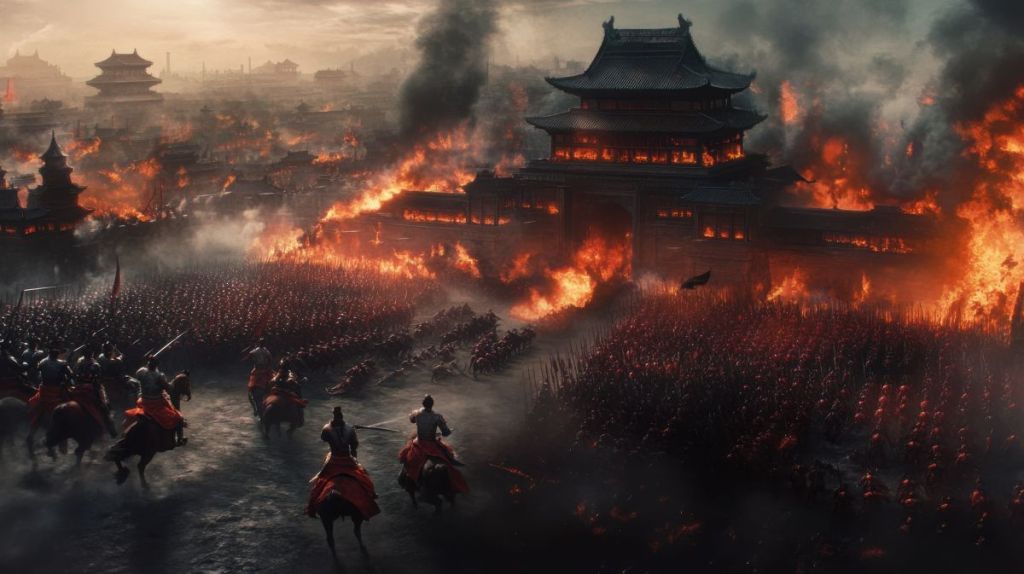
Chapter 12
The Attack by FireFire attacks are an important auxiliary means of military offense and that commanders must master their use skillfully.

 The Art of Invest