
Category: The Art of War
-
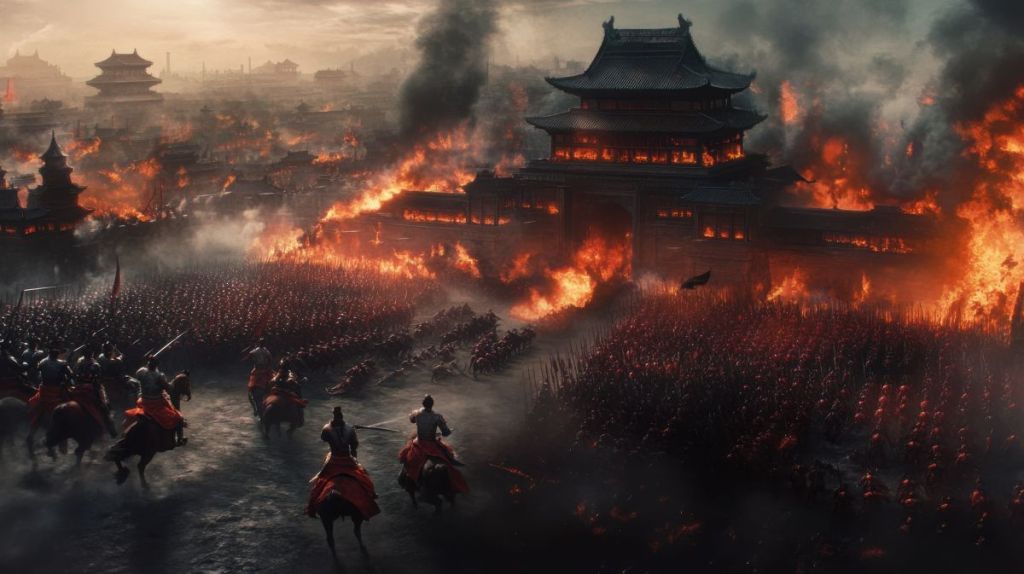
The Art of War (Chapter 12 : The Attack by Fire)
Fire attacks are an important auxiliary means of military offense and that commanders must master their use skillfully.
-
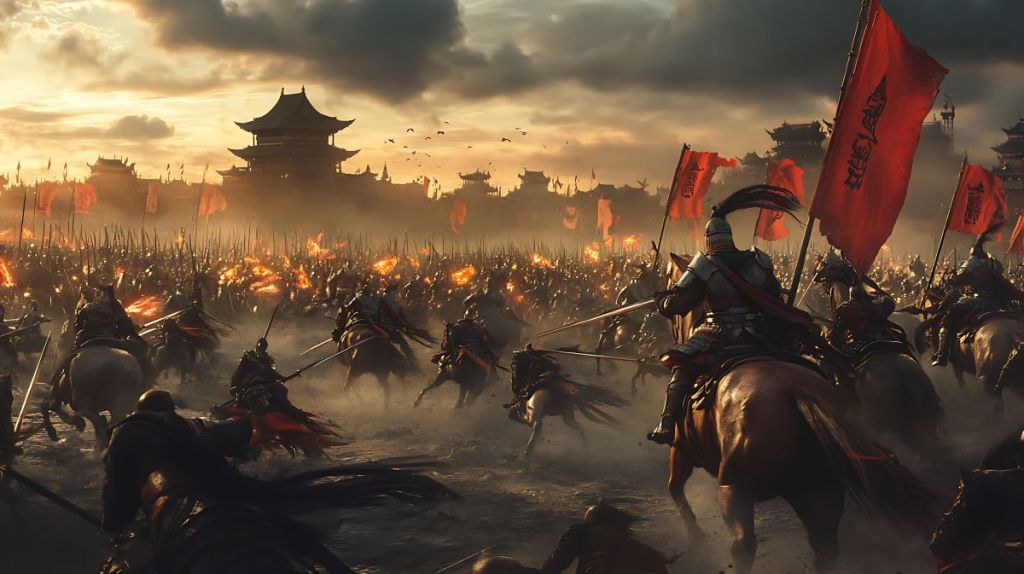
The Art of War (Chapter 11 : The Nine Situations)
Nine types of geographical environments in offensive operations and the principles of warfare in these environments.
-

The Art of War (Chapter 10 : Terrain)
The characteristics of various terrains and the principles of military operations under different terrain conditions.
-
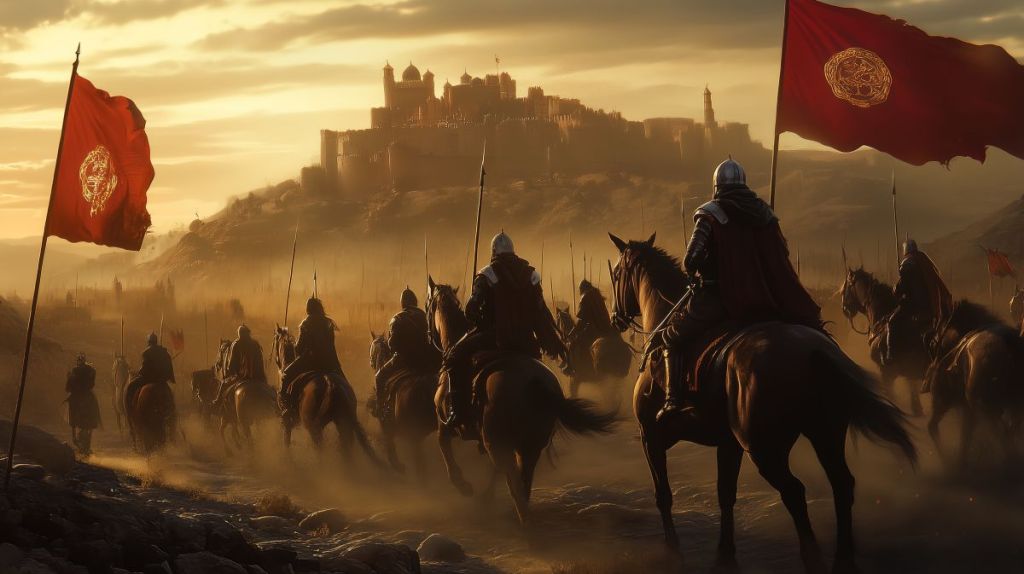
The Art of War (Chapter 09 : The Army on the March)
The essentials of warfare in mountainous terrain, rivers, marshes, and plains, as well as methods for observing and assessing enemy situations.
-
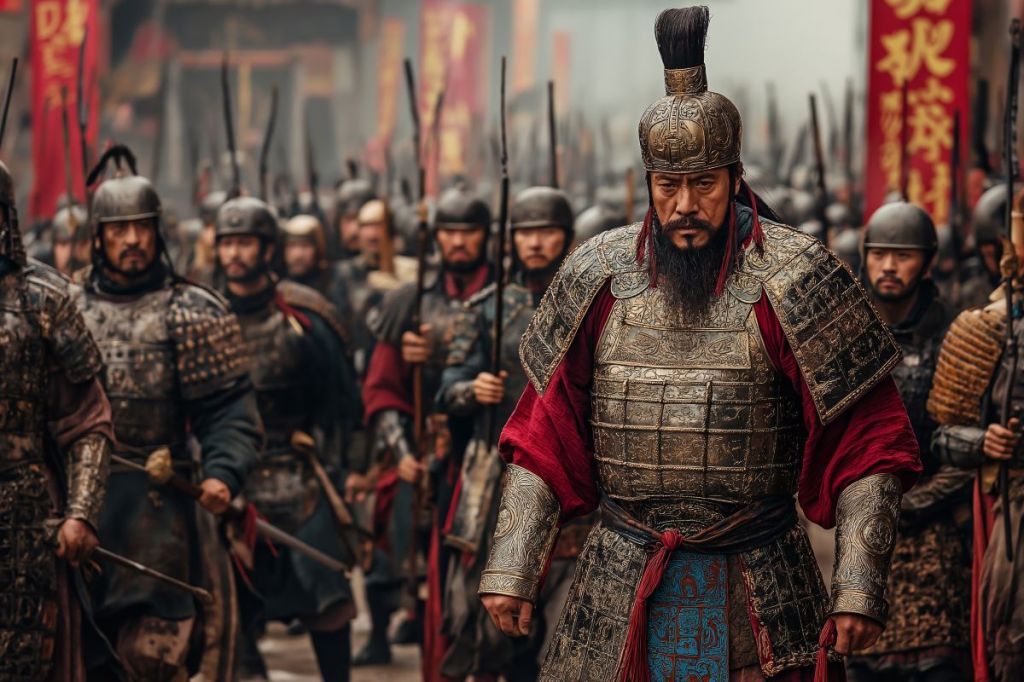
The Art of War (Chapter 08 : Variation of Tactics)
The principles of warfare under different geographical conditions, the strategic importance of flexibility and mobility, the necessity of proactive preparation, and the essential qualities required of a commander.
-
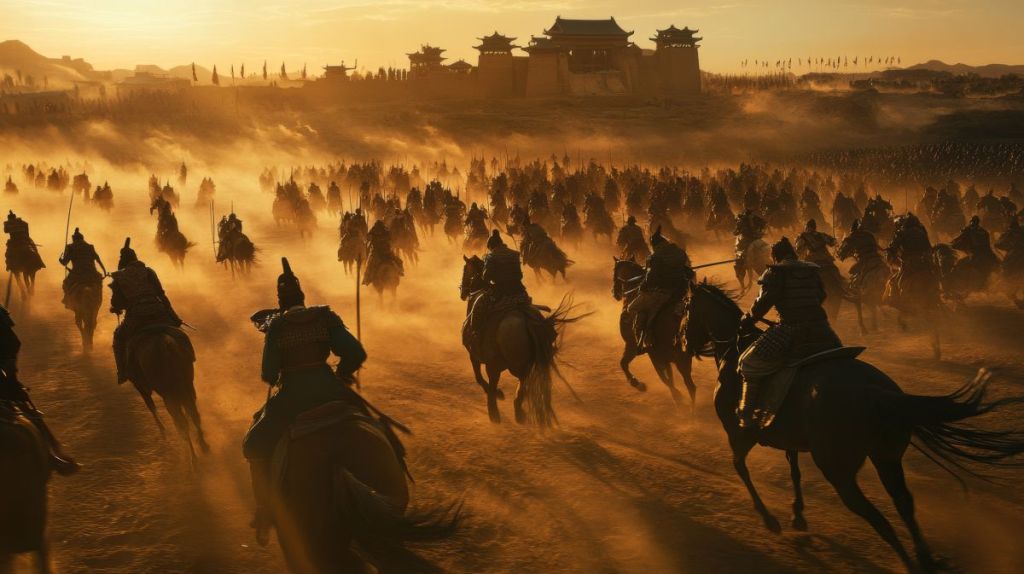
The Art of War (Chapter 07 : Maneuvering)
Seeking advantage while avoiding harm and adapting flexibly to battlefield conditions.
-
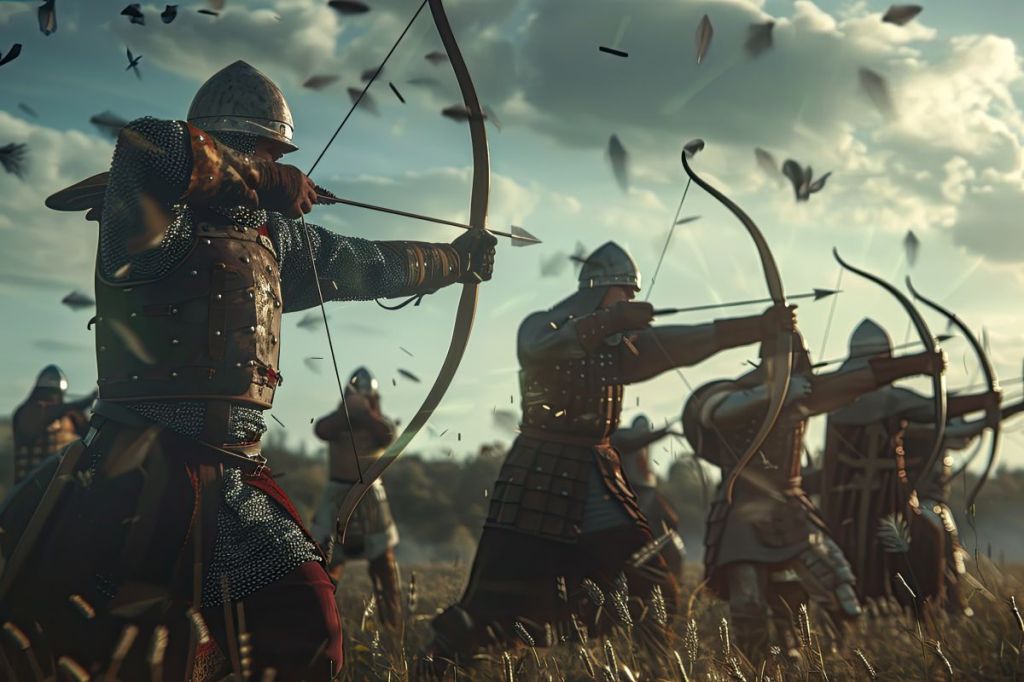
The Art of War (Chapter 06 : Weak Points and Strong)
Using various methods to manipulate the enemy, forcing them to disperse their strength or reveal weaknesses, then concentrating superior forces to attack where they are weakest.
-

The Art of War (Chapter 05 : Energy)
An excellent general must be highly flexible and proactive in battle, using various strategies to create and maximize advantages.
-

The Art of War (Chapter 04 : Tactical Dispositions)
The highest form of victory is not achieved through heavy casualties and battlefield achievements but by creating an overwhelming power disparity, making victory effortless.

 The Art of Invest